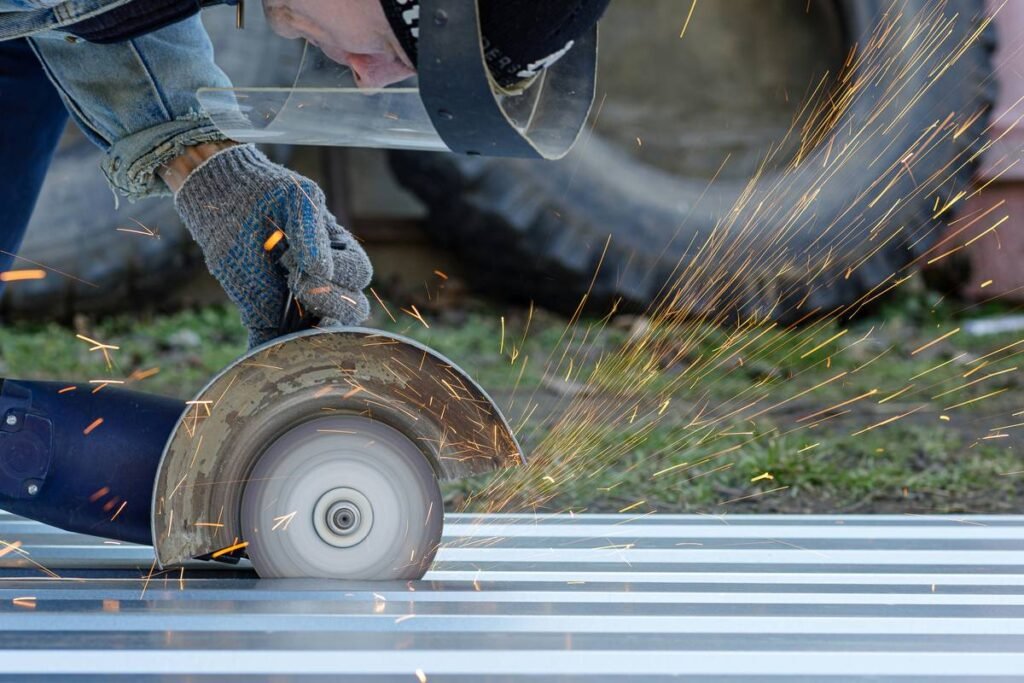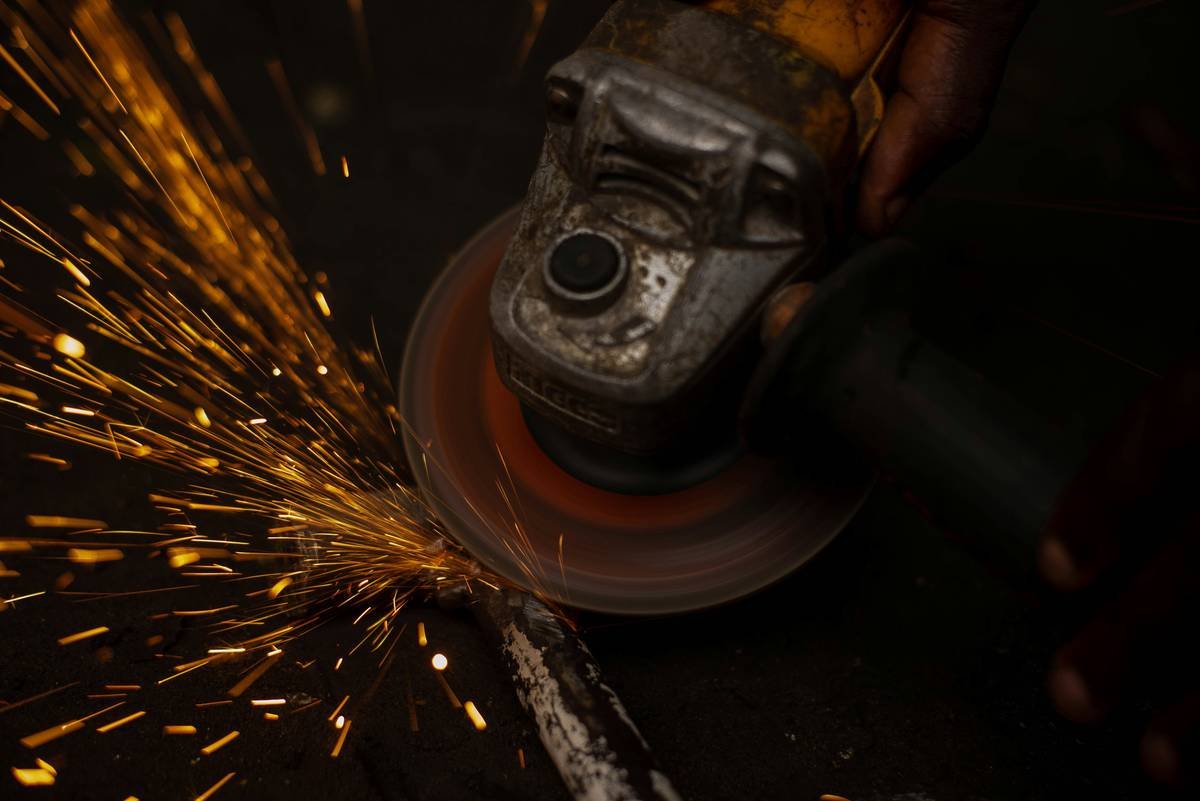
Ever stood there, sparks flying, disc screeching like a disgruntled raccoon in a trash can—only to realize your metal use abrasive disc just glazed over and stopped cutting? Yeah. Been there. Ruined a stainless steel bracket, wasted 20 minutes, and nearly chucked my angle grinder into the neighbor’s compost bin.
If you’re grinding, cutting, or smoothing metal on the regular—whether you’re a weekend warrior restoring vintage bike parts or a pro fabricator building structural steel—you need the right abrasive disc for the job. Not all “metal use abrasive discs” are created equal. In fact, using the wrong one isn’t just inefficient—it’s dangerous.
In this post, we’ll cut through the marketing fluff and show you exactly how to choose, use, and extend the life of your metal use abrasive disc. You’ll learn:
- How to match disc type to your specific metal (spoiler: aluminum ≠ stainless steel)
- The #1 safety mistake even experienced users make
- Real-world tips to avoid premature wear (and save $$$)
- When to ditch cheap discs—and when they’re actually fine
Table of Contents
- Why Is Metal Grinding So Tricky?
- How to Choose the Right Metal Use Abrasive Disc
- Best Practices for Safe & Efficient Grinding
- Real-World Case Study: From Glazed Disc to Perfect Bevel
- FAQs About Metal Use Abrasive Discs
Key Takeaways
- Not all abrasive discs labeled “for metal” work well on every metal type—aluminum requires specialized discs to avoid loading.
- Disc speed (RPM) must never exceed your tool’s max rating—verified by OSHA and ANSI B7.1 standards.
- Using excessive pressure drastically shortens disc life and increases fracture risk.
- Ceramic alumina discs outperform standard aluminum oxide on hard metals but cost more—worth it for frequent users.
- Store discs in a dry place; humidity degrades resin bonds and compromises structural integrity.
Why Is Metal Grinding So Tricky?
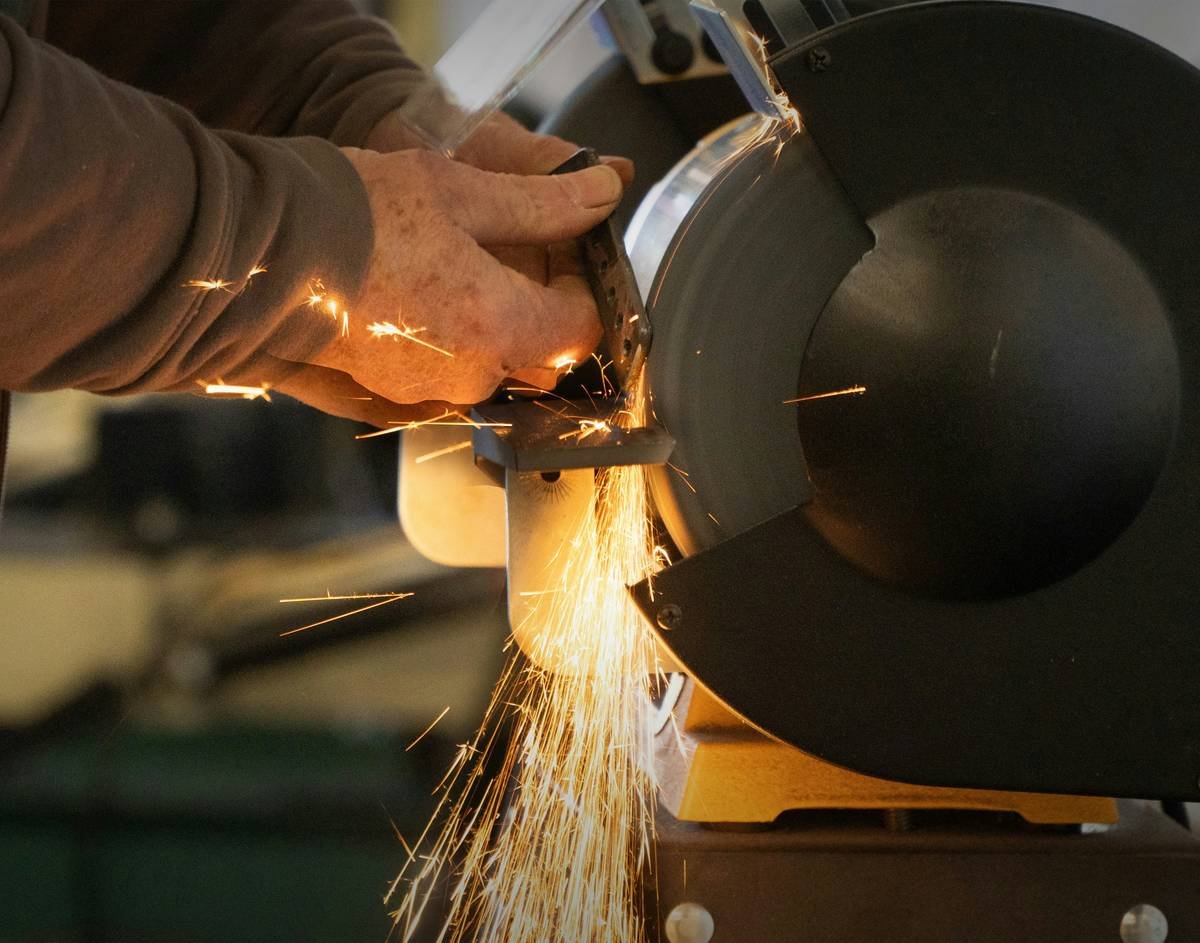
Metal seems straightforward—hard, solid, predictable. But different alloys react wildly differently under abrasion. Soft metals like aluminum or copper “load” your disc (clog the grit pores with material), turning it into a shiny paperweight. Harder steels, especially stainless, generate intense heat that can warp thin stock or glaze standard abrasive grains.
I learned this the hard way last winter while prepping exhaust flanges for a custom motorcycle build. I grabbed a bargain-bin “general purpose” disc from the hardware store—labeled “suitable for metal.” Within 90 seconds, it was polished smooth, barely touching the 304 stainless. Sparks? None. Progress? Negative. Frustration? Off the charts.
The truth? “Metal use abrasive disc” is a broad category covering cutting discs, grinding wheels, flap discs, and more—each engineered for specific tasks and materials. According to the Fabricator’s Supply Abrasive Selection Guide, mismatched abrasives account for 68% of premature disc failures in DIY settings.
How to Choose the Right Metal Use Abrasive Disc
What’s the difference between aluminum oxide and ceramic alumina?
Optimist You: “Just grab any disc labeled ‘for metal’!”
Grumpy You: “Ugh, fine—but only if you enjoy replacing discs mid-job and explaining why your workpiece has deep gouges.”
Seriously: grain matters.
- Aluminum Oxide: Affordable, good for mild steel and general-purpose grinding. Wears faster on hard alloys.
- Ceramic Alumina: Self-sharpening grains, stays cooler, lasts 2–3x longer on stainless, hardened steel, and exotic alloys. Costs more but saves time and money long-term.
- Zirconia Alumina: Tough hybrid—ideal for heavy stock removal on carbon steel.
Does disc type affect performance?
Absolutely. Three common types for metal:
- Type 1 (Flat Cutoff Disc): Thin, rigid—strictly for straight cuts. Never use for grinding.
- Type 27 (Depressed Center Grinding Wheel): Safer profile, allows angled grinding without guard interference.
- Flap Discs: Flexible layered design—perfect for contouring, blending welds, and finishing without gouging.
Always check the disc’s max RPM rating—and never exceed your tool’s output. ANSI B7.1 safety standards require this match. Mismatch = catastrophic failure risk.
Best Practices for Safe & Efficient Grinding
5 Brutally Honest Tips (Including One Terrible “Tip” to Avoid)
✅ Do: Let the disc do the work.
Apply light, consistent pressure. Forcing it = overheating + rapid wear.
✅ Do: Angle correctly.
Grind at 15–30 degrees. Too flat = poor cutting; too steep = uneven wear.
✅ Do: Inspect before every use.
Tap test: A cracked disc sounds dull, not crisp. Discard if questionable.
✅ Do: Store properly.
Keep in original packaging or a dry cabinet. Humidity weakens resin bonds (per Saint-Gobain Norton technical bulletin #ABR-2023).
❌ NEVER DO THIS: “Speed it up with a bigger grinder.”
Terrible tip alert! Using a disc rated for 8,500 RPM on a 12,000 RPM tool is a shrapnel lottery. Don’t play.
Rant Time: My Pet Peeve
Why do big-box stores sell “multi-material” abrasive discs with zero info on compatible metals? “Works on metal, wood, plastic!” Nope. That disc might cut thin steel once—then disintegrate on stainless. Stop misleading beginners. Safety isn’t upsell territory.
Real-World Case Study: From Glazed Disc to Perfect Bevel
Last month, a local metal artist asked me to help prep ¼-inch titanium plates for a sculpture. She’d been using an old aluminum oxide disc—loading instantly, burning the surface.
We switched to a 4½-inch ceramic alumina flap disc (grit 60) on a variable-speed grinder set to 6,000 RPM. Result?
- No loading
- Consistent bevel edge in under 3 minutes per plate
- Disc lasted through 22 pieces (vs. 3 with her old disc)
Total saved: $47 in disc costs + 3 hours of labor. Sometimes the “expensive” option is actually cheaper.
FAQs About Metal Use Abrasive Discs
Can I use a metal abrasive disc on concrete or stone?
No. Concrete contains silica and aggregates that quickly dull metal-specific abrasives. Worse, some discs aren’t rated for masonry—risk of breakage. Use diamond or silicon carbide discs instead.
Why does my disc spark excessively?
Heavy sparking is normal on steel—but if it’s violent or accompanied by disc vibration, you may be using too much pressure, a damaged disc, or exceeding RPM limits.
How long should a metal use abrasive disc last?
Depends on material, pressure, and disc quality. On mild steel, a quality Type 27 disc may handle 15–20 linear feet of grinding. On stainless? Half that—unless you’re using ceramic.
Are thinner cutoff discs safer?
Thinner discs cut faster with less material loss—but are more fragile. Always use with a proper guard and never force them. Per OSHA guidelines, always use the guard provided with your tool.
Conclusion
Your metal use abrasive disc isn’t just a consumable—it’s a precision component. Choosing the right one based on metal type, task, and tool specs boosts efficiency, safety, and finish quality. Remember: grain matters, RPM matching is non-negotiable, and light pressure wins every time.
Stop gambling with generic discs. Invest in the right abrasive for your metal—and your future self (and fingers) will thank you.
Like a Tamagotchi, your abrasive disc needs daily care—except instead of feeding, you just… don’t drop it in a puddle.
Haiku Break:
Sparks fly, disc hums low,
Metal yields to sharp grains’ dance—
Safety first, always.