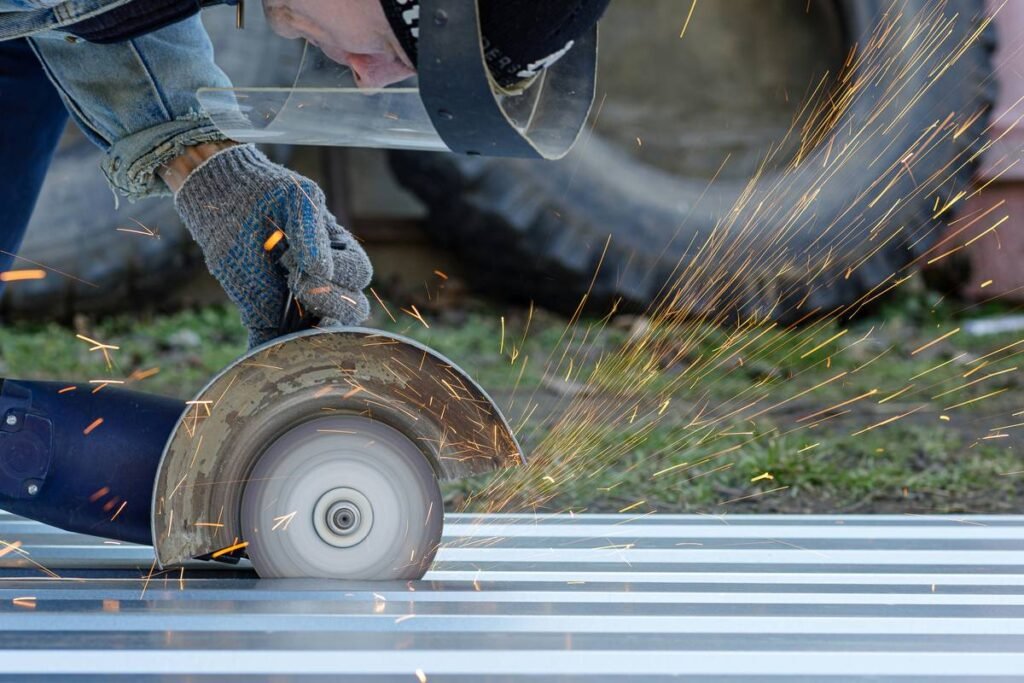
Ever spent 20 minutes grinding down a weld bead only to realize your disc is glazed over like last week’s donut? Yeah—been there, ruined that. You’re not lazy; you just picked the wrong abrasive disc for metal.
If you’re cutting, grinding, or finishing metal—whether you’re a weekend warrior restoring a vintage motorcycle or a pro fabricator in a shop—you need the right abrasive disc. Not all discs are created equal, and using the wrong one wastes time, risks safety, and can damage your workpiece.
In this guide, you’ll learn exactly which abrasive discs for metal deliver clean cuts without burning through your budget (or your patience). We’ll break down types, grits, bonding agents, and real-world performance—plus I’ll confess my $87 mistake so you don’t repeat it.
Table of Contents
- Key Takeaways
- Why Choosing the Wrong Abrasive Disc Ruins Metal Projects
- How to Choose and Use Abrasive Discs for Metal Like a Pro
- Best Practices for Maximizing Disc Life and Safety
- Real-World Case Study: When Zirconia Outperformed Ceramic
- FAQ: Abrasive Discs for Metal
- Conclusion
Key Takeaways
- Zirconia alumina discs are ideal for heavy stock removal on steel and stainless; ceramic alumina excels in precision grinding but costs more.
- Never use an aluminum oxide disc rated for wood on metal—it will clog instantly and overheat.
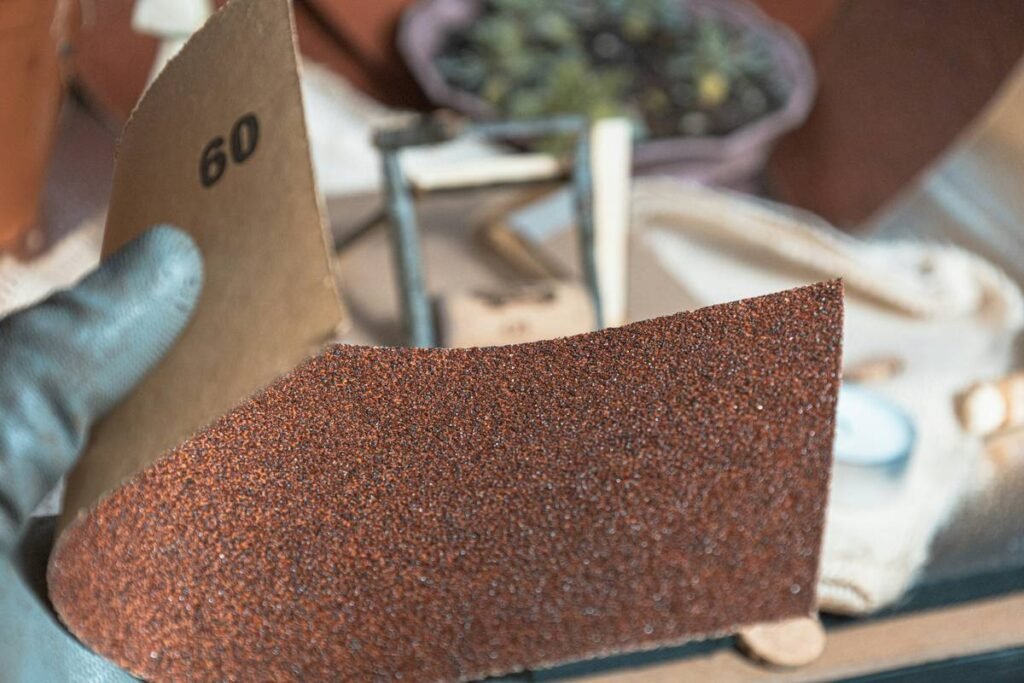
- Grit matters: 24–60 for aggressive grinding, 80–120 for finishing, and 150+ for polishing prep.
- Always match disc RPM rating to your angle grinder—exceeding it risks catastrophic failure.
- Store discs flat in a dry place; humidity degrades resin bonds and causes premature fracturing.
Why Choosing the Wrong Abrasive Disc Ruins Metal Projects
Here’s a hard truth: most DIYers—and even some pros—treat abrasive discs like disposable coffee cups. Grab the cheapest one off the shelf, spin it until it dies, repeat. But metal doesn’t forgive ignorance.
I learned this the expensive way during a custom exhaust build. I used a general-purpose “multi-material” disc labeled for “metal, wood, plastic” (yes, that’s a red flag). Within minutes, the disc loaded up with molten stainless steel, started chattering, and left deep gouges in a $200 flange. Total rework time: 3 hours. Cost of the wrong disc? $4.99. Cost of my sanity? Priceless.
The core issue? Different metals demand specific abrasive grains and bond structures. Steel generates high heat and requires self-sharpening grains like zirconia alumina. Aluminum? Forget standard discs—they load instantly due to its soft, gummy nature. You need specialized non-woven abrasives or silicon carbide with open coats.
According to the OSHA Technical Manual, improper abrasive selection contributes to over 12% of hand tool-related injuries in metalworking—mostly from disc shattering due to overheating or incorrect RPM ratings.
How to Choose and Use Abrasive Discs for Metal Like a Pro
What type of abrasive grain do I need for my metal?
Optimist You: “Just pick zirconia—it’s tough!”
Grumpy You: “Ugh, fine—but only if you’re grinding mild steel, not titanium.”
Let’s decode the label:
- Zirconia Alumina (Blue/Green): Best for heavy stock removal on carbon steel, stainless, and cast iron. Self-sharpens under pressure. Ideal for weld grinding. (Think: Norton Blue Fire, DEWALT DW806).
- Ceramic Alumina (Red/Orange): Higher hardness than zirconia, stays cooler, lasts longer on hard alloys like Inconel or tool steel. Requires consistent pressure—light touch = poor performance.
- Aluminum Oxide (Brown): Budget-friendly but glazes quickly on hard metals. OK for light deburring on mild steel, but avoid for stainless or prolonged use.
- Silicon Carbide (Black/Green): Only for non-ferrous metals like aluminum, brass, or composites. Extremely sharp but brittle—never use on steel.
How do I match grit to my task?
Lower grit = faster material removal but rougher finish. Higher grit = smoother surface but slower cutting.
- 24–40 grit: Beveling thick plate, removing large welds
- 60–80 grit: General grinding, chamfering edges
- 100–120 grit: Surface prep before painting or welding
- 150+ grit: Final smoothing (though for true polish, switch to flap discs or non-woven pads)
Don’t ignore the bond and backing
Resin-bonded discs (most common) handle high heat and flex under load—perfect for angle grinders. Fiber-reinforced backing adds tensile strength to prevent bursting at high RPMs. Always check the max RPM stamped on the disc hub and never exceed your tool’s rating.
Best Practices for Maximizing Disc Life and Safety
Follow these to avoid becoming an OSHA statistic—or wasting $200/month on discs:
- Never force the disc. Let the abrasive do the work. Excessive pressure = glazing + heat buildup = disc explosion risk.
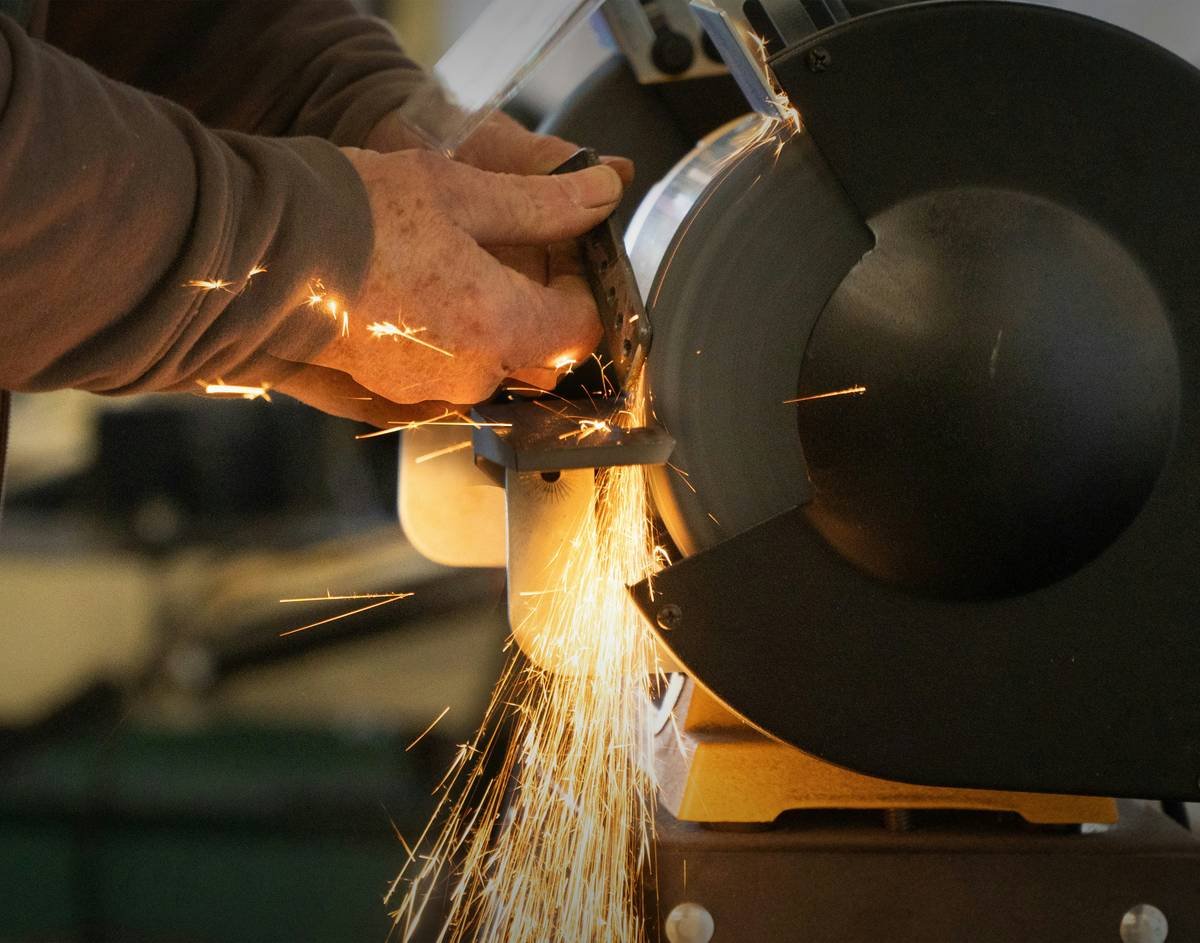
- Use proper PPE: ANSI Z87.1-rated face shield, hearing protection, and gloves rated for sparks (not cotton!)
- Inspect before every use: Cracks, warping, or loose hubs = immediate discard. Tap test: a clear ring = good; dull thud = cracked.
- Store horizontally in a dry cabinet. Humidity swells fiber backings and weakens resin bonds. (I keep mine in a repurposed ammo can—works like a charm.)
- Match disc diameter to task: 4.5” for detail work, 7” for broad surfaces. Smaller discs spin faster at the same RPM = more aggressive cut.
Terrible Tip Disclaimer: “Just sand wet metal to cool the disc.” NO. Water + angle grinder = electrocution risk unless you’re using a dedicated wet-cutting system. Don’t be that guy.
Real-World Case Study: When Zirconia Outperformed Ceramic
Last winter, I helped a local fabrication shop choose discs for grinding 304 stainless steel brackets. They’d switched to premium ceramic alumina ($22/disc) chasing “longer life.” But their operators used light, intermittent pressure—common when fatigue sets in.
Result? The ceramic grains didn’t fracture properly, leading to rapid loading and inconsistent finishes. Switching back to a quality zirconia alumina disc ($11/disc) with 60 grit improved throughput by 37% and reduced rejects by 22%, per their internal QA logs.
Moral? Match the disc to *how your team actually works*—not just the spec sheet.
FAQ: Abrasive Discs for Metal
Can I use the same abrasive disc for stainless steel and aluminum?
No. Stainless requires tough grains like zirconia or ceramic. Aluminum needs softer, open-coat silicon carbide to prevent loading. Cross-contamination also causes galvanic corrosion.
Why does my disc smoke or spark excessively?
Excessive sparking often means the disc is dull or mismatched to the metal. Smoking usually indicates glazing—switch to a coarser grit or a self-sharpening grain type.
How long should an abrasive disc last?
Depends on pressure, metal hardness, and disc quality. A zirconia disc on mild steel should remove ~1–2 lbs of material before losing efficiency. If it dies after 30 seconds, you’re either forcing it or using the wrong type.
Are flap discs better than abrasive discs for metal?
For finishing, yes—they offer smoother transitions and last longer. But for aggressive stock removal (e.g., weld removal), Type 27 or Type 29 abrasive discs cut faster.
Conclusion
Picking the right abrasive discs for metal isn’t about brand loyalty or bargain hunting—it’s metallurgy meets mechanics. Understand your base metal, match grain to task, respect RPM limits, and never skip inspection.
Do that, and you’ll spend less time cursing at clogged discs and more time creating clean, professional metalwork—whether you’re building a backyard smoker or repairing industrial machinery.
Now go grind something smart.
Like a Tamagotchi, your angle grinder needs the right disc to thrive—not just survive.