You bought an angle grinder to shave down a stubborn wooden beam. You slapped on a standard abrasive disc—only to watch it burn, smoke, and tear the grain like angry teeth. Frustrating? Dangerous? Absolutely. But here’s the fix: not all angle grinder discs for wood cutting are created equal—and most hardware stores won’t tell you which ones actually work.
Why Standard Angle Grinder Discs Fail on Wood
Metal-cutting or masonry discs chew through steel and concrete just fine. But wood? It’s fibrous, soft, and heat-sensitive. Use the wrong disc, and you’ll either scorch the surface or send splinters flying at 10,000 RPM. And yes—some “multi-purpose” discs marketed for wood are glorified sandpaper glued to metal. They clog instantly.
Worse, many users crank up the speed, thinking more RPM = cleaner cut. Wrong. High speed on dense hardwood creates friction so intense it chars the wood before the disc even bites. The result? A ruined workpiece and a fire hazard.
How to Choose & Use Angle Grinder Discs for Wood Cutting
Forget what the big-box store labels say. Real wood-cutting performance comes from geometry, grit composition, and controlled aggression—not brute force.
Step 1: Pick the Right Disc Type
Ditch flap discs and grinding wheels. What you need is a carbide-tooth wood-cutting disc or a specialized segmented abrasive disc designed for timber. These feature open patterns that eject sawdust, prevent loading, and slice cleanly with minimal heat buildup.
Step 2: Match Disc to Wood Density
Softwoods like pine? A coarse-grit (24–36) segmented disc works. Hardwoods like oak or maple? Go for carbide-tipped with fewer, sharper teeth. More teeth = smoother cut but slower removal. Fewer teeth = aggressive stock removal but rougher finish.
Step 3: Control Speed & Pressure
Run your grinder at medium speed—never max RPM. Let the disc do the work. Pressing too hard increases heat and deflection. Light, consistent passes yield cleaner results. And always wear a respirator; fine wood dust at high velocity is no joke.
| Disc Type | Best For | Max RPM | Avg. Price | Risk Level |
|---|---|---|---|---|
| Carbide-Tooth Wood Blade | Oak, Maple, Plywood | 8,500 | $18–$25 | Low (if used correctly) |
| Segmented Abrasive Disc | Pine, Cedar, MDF | 9,000 | $10–$16 | Moderate |
| Standard Flap Disc | Sanding only—NOT cutting | 12,000 | $8–$12 | High (on solid wood) |
The Industry Secret: Grinders Aren’t Supposed to Cut Wood—But Here’s How Pros Make It Work
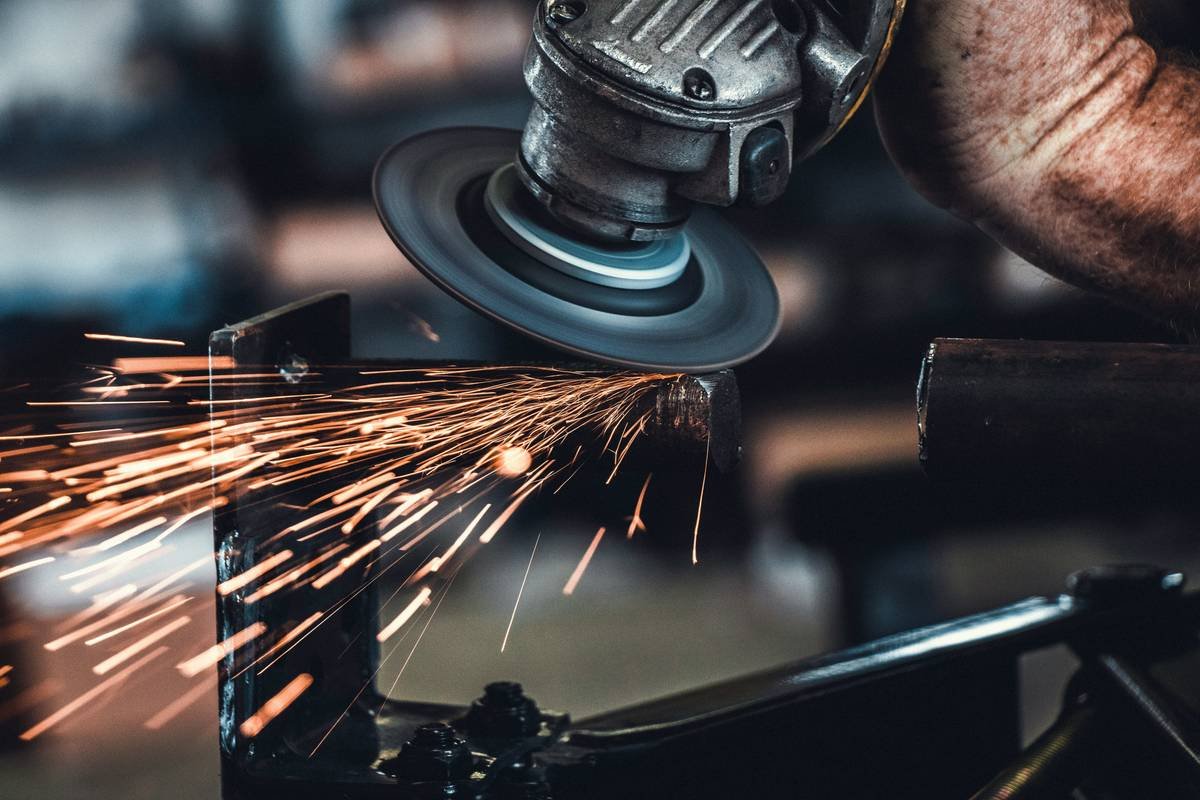
Here’s something manufacturers won’t advertise: angle grinders were engineered for metal, stone, and concrete—not lumber. Yet seasoned carpenters and restoration crews use them daily on wood. How?
They modify their approach. First, they never use standard aluminum oxide discs. Second, they often mount a dedicated wood-cutting blade—essentially a miniature circular saw blade with reinforced arbor fit—that turns the grinder into a handheld router-meets-saw hybrid. Third, they accept that this is a shaping tool, not a precision cutter. Rough shaping door jambs? Trimming warped beams in tight spaces? Perfect. Fine joinery? Nope.
But the real secret? Angle grinders excel at demolition cuts in wood—like slicing through nailed subfloors or chopping out rotten studs—where speed trumps finish quality. That’s where angle grinder discs for wood cutting shine—if you know their limits.
Frequently Asked Questions
Can I use a metal-cutting disc on wood?
No. Metal-cutting discs overheat wood, cause burning, and increase kickback risk. They’re also prone to glazing and clogging with resin.
What’s the safest speed for wood-cutting discs?
Stay below 9,000 RPM. Most dedicated wood discs are rated for 8,500 RPM max—check the label. Over-speeding can shatter the disc.
Are angle grinders good for precise woodwork?
Not really. They’re best for aggressive material removal or demolition. For detail work, use a jigsaw, oscillating tool, or router instead.