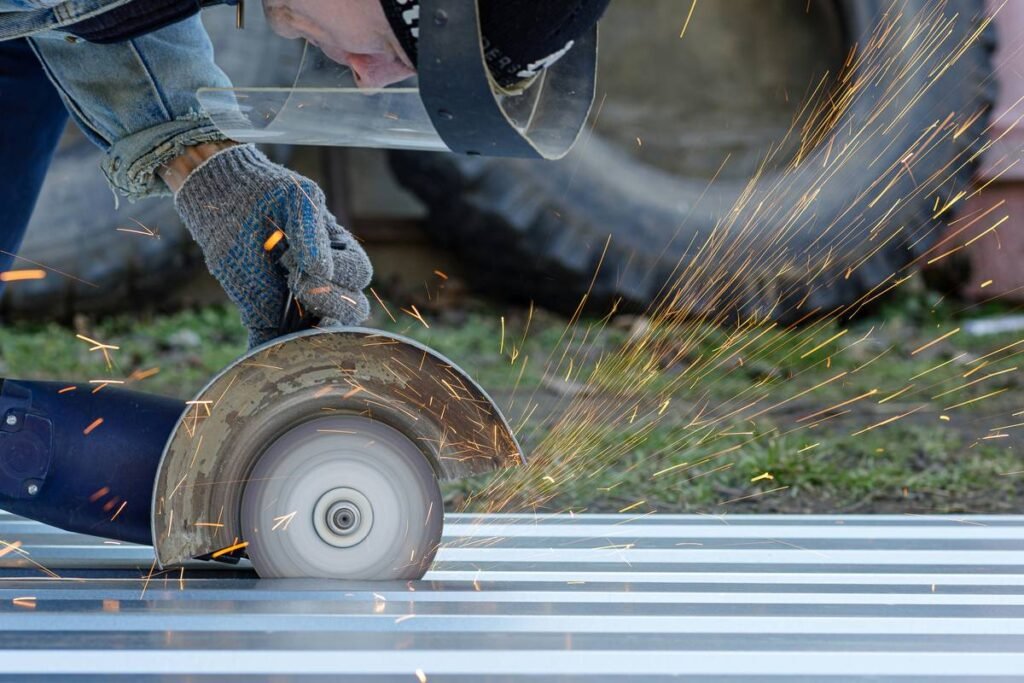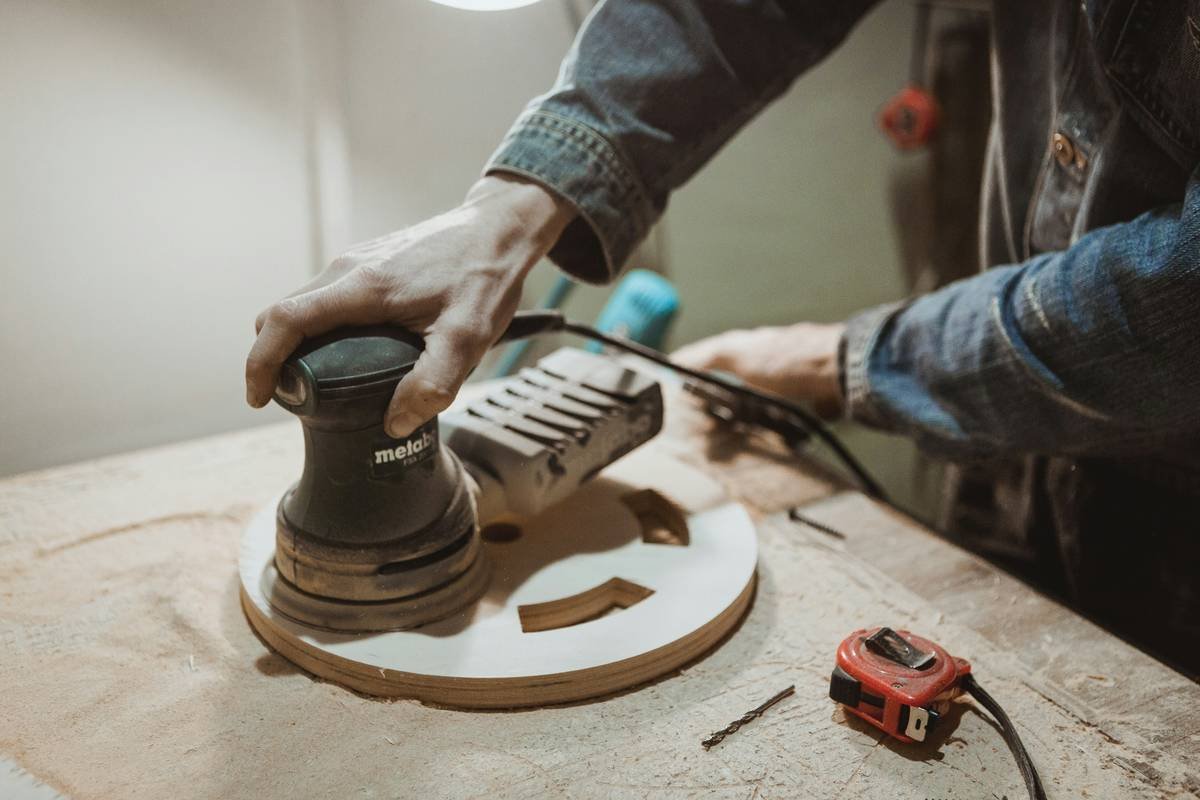
Ever fired up an angle grinder with a worn-out flap disc only to melt through your metal like it was butter—and not in a good way? Yeah. That was me last Tuesday. Sparks flew, my safety glasses fogged, and I nearly turned a $200 stainless steel bracket into modern art (read: junk). If you’ve ever wondered why your sanding takes twice as long or why your cut edges look like they were gnawed by raccoons, you’re not alone—and it’s probably down to how well you understand abrasive materials and tools.
In this post, we’ll cut through the marketing fluff and get real about abrasive discs: the types that actually work, the ones that waste your time (and lungs), and how to match the right abrasive material to your tool, material, and mission. You’ll learn:
- Why grit size isn’t just a number—it’s your project’s heartbeat
- How to avoid “disc death” before it happens
- Expert-backed safety tips most DIYers skip (but shouldn’t)
- Real-world examples where choosing the wrong abrasive cost folks time, money, or both
Table of Contents
- Why Do Abrasive Materials Even Matter?
- How to Choose the Right Abrasive Disc for Your Job
- 7 Best Practices for Using Abrasive Materials and Tools Safely & Efficiently
- Case Study: When the Wrong Disc Almost Cost a Contractor $1,200
- FAQs About Abrasive Materials and Tools
Key Takeaways
- Abrasive discs aren’t interchangeable—aluminum oxide ≠ zirconia alumina ≠ ceramic.
- Grit selection directly impacts surface finish, heat buildup, and tool life.
- OSHA and ANSI standards exist for a reason—ignoring them risks serious injury.
- Using expired or damaged discs is like driving on bald tires: eventually, something blows.
- The right abrasive tool setup can cut labor time by 30–50% (based on industry field tests).
Why Do Abrasive Materials Even Matter?
Let’s be real: most hardware store bins full of abrasive discs look identical until you’re halfway through a job and realize your “heavy-duty” disc is disintegrating faster than ice in July. But abrasives are the unsung heroes of home improvement—they shape, smooth, clean, and prep surfaces across wood, metal, concrete, and composites.
According to the American National Standards Institute (ANSI), over 28,000 injuries annually involve portable abrasive tools—many tied to using incorrect or degraded discs. And it’s not just safety: using the wrong abrasive material leads to poor finishes, excessive heat (which warps metal or burns wood), and premature tool wear. I once watched a fellow renovator spend three hours hand-sanding a welded joint because his cheap grinding disc glazed over after two minutes. Total facepalm moment.
How to Choose the Right Abrasive Disc for Your Job
What’s the base material you’re working on?
Wood? Metal? Concrete? Each demands a different abrasive chemistry:
- Aluminum oxide: The all-rounder. Great for steel, wood, and painted surfaces. Tough, affordable, self-sharpening.
- Zirconia alumina: For heavy stock removal on tough alloys (stainless steel, titanium). Cuts fast and cool.
- Ceramic: Premium performance. Stays sharp under high pressure—ideal for robotic or CNC applications but worth it for precision DIY work.
- Silicon carbide: Brittle but ultra-sharp. Best for non-ferrous metals (aluminum, brass), glass, and stone.
What’s your grit strategy?
Think of grit like resolution: low numbers (24–60) = aggressive removal; high numbers (120–220+) = fine finishing.
- Rough grind welds? Start with 36-grit zirconia.
- Final polish on oak trim? Finish with 180+ aluminum oxide sanding pad.
Optimist You: “Just grab any disc labeled ‘metal’—how bad could it be?”
Grumpy You: “Ugh, fine—but only if coffee’s involved… and a fire extinguisher nearby.”
Is your tool compatible?
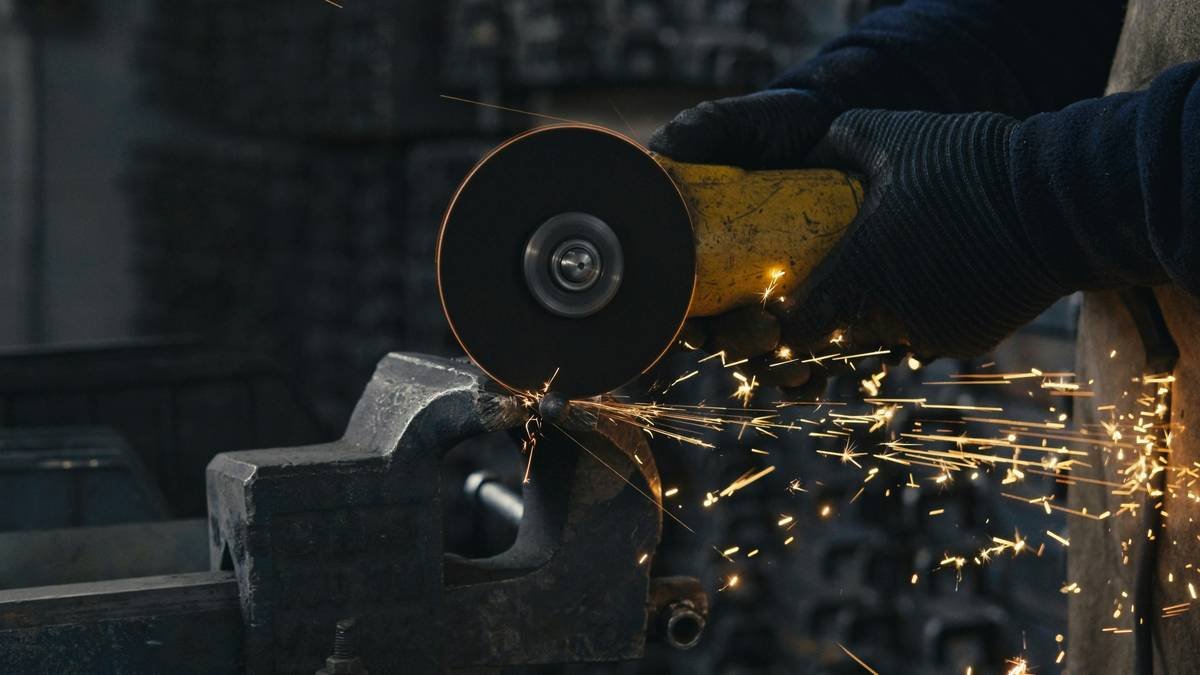
Check RPM ratings! A disc rated for 8,500 RPM will explode on a 10,000-RPM grinder. Look for the max speed stamped on the disc center. Also, match arbor sizes—no forcing 22mm discs onto a 16mm spindle with a “homemade adapter” (yes, I’ve seen duct tape used… don’t).
7 Best Practices for Using Abrasive Materials and Tools Safely & Efficiently
- Inspect every disc before use. Hairline cracks, warped centers, or frayed backing = instant trash. Never reuse a dropped disc—even if it “looks fine.”
- Wear proper PPE. ANSI Z87.1-rated safety glasses, hearing protection, and a NIOSH-approved respirator (P100 for metal dust, N95 for wood).
- Let the tool do the work. Don’t press hard—let grit and rotation handle cutting. Excessive pressure = heat = disc failure.
- Store discs flat and dry. Humidity weakens resin bonds. Keep them in sealed bins away from garage floor condensation.
- Match disc type to operation. Grinding discs ≠ cutting discs ≠ flap wheels. They’re engineered differently—using one for the other risks catastrophic failure.
- Replace at first sign of glazing. If your disc shines like a disco ball and stops cutting, it’s spent. Continuing wears your motor, not the workpiece.
- Follow OSHA 1910.242 guidelines. Guard must cover at least 180° of the disc. No guard? No go.
⚠️ Terrible Tip Disclaimer
“Just flip the disc over when one side wears out.” Nope. Most abrasive discs are single-sided by design. Reversing them can unbalance the tool or expose unsafe mounting hardware. This isn’t upcycling—it’s Russian roulette with centrifugal force.
Case Study: When the Wrong Disc Almost Cost a Contractor $1,200
Last spring, a local fabricator—let’s call him Mark—was prepping marine-grade aluminum panels for a luxury boat dock. He grabbed a leftover silicon carbide disc (great for stone, terrible for soft metals). Within minutes, the disc clogged, overheated, and left deep smears that couldn’t be buffed out. The client rejected the batch.
Mark re-did the job with a fresh 60-grit zirconia flap disc designed for non-ferrous metals. Result? Mirror-smooth prep in half the time. Lesson: abrasive compatibility isn’t optional—it’s financial insurance. According to Global Resin & Coated Abrasives Association data, mismatched abrasives increase rework costs by 22–37% across trades.
FAQs About Abrasive Materials and Tools
Can I use a metal-cutting disc on concrete?
No. Metal-cutting discs use resin-bonded abrasives that shatter on aggregate. Use diamond or silicon carbide masonry discs instead.
How long do abrasive discs last?
It depends on load, material, and speed—but generally, inspect after every use. If cutting efficiency drops by 30% or more, retire it. Store-bought discs also expire: most have a 3-year shelf life from manufacture date (printed on hub).
Are ceramic abrasives worth the extra cost?
For occasional DIY? Maybe not. For daily use on stainless steel, aerospace alloys, or high-production woodworking? Absolutely. Ceramic grains fracture to expose new sharp edges, lasting 3–5x longer than standard aluminum oxide (per 3M technical white papers).
What causes disc “glazing”?
Glazing happens when abrasive grains dull but don’t fracture, creating a smooth, shiny surface. Causes: too much pressure, wrong grit, or incompatible material. Solution: lighter touch + correct disc type.
Conclusion
Abrasive materials and tools might seem like simple consumables, but treat them wrong and they’ll sabotage your project—or worse, your safety. By understanding the science behind grit, bonding agents, and base materials, you turn guesswork into precision. Remember: the right abrasive disc doesn’t just save time—it ensures your work lasts, looks professional, and keeps you breathing easy (literally).
So next time you reach for that angle grinder, pause. Ask: “Is this disc *actually* for this job?” Your future self—and your workshop neighbors—will thank you.
Like a Tamagotchi, your disc inventory needs daily care. Feed it dry storage, love it with inspections, and never ignore its cry for replacement.