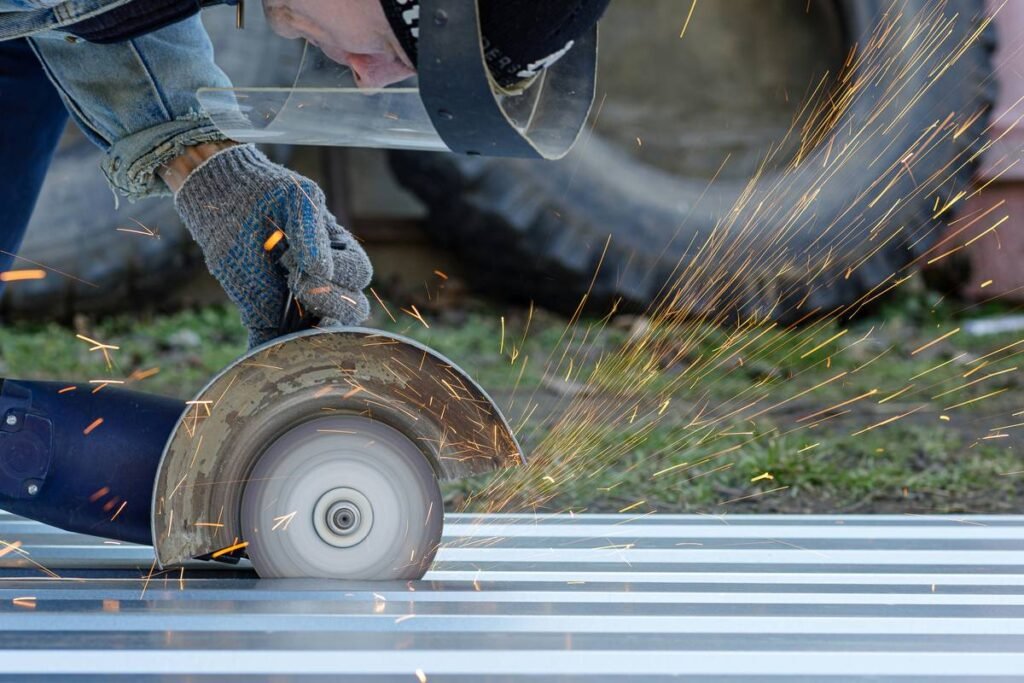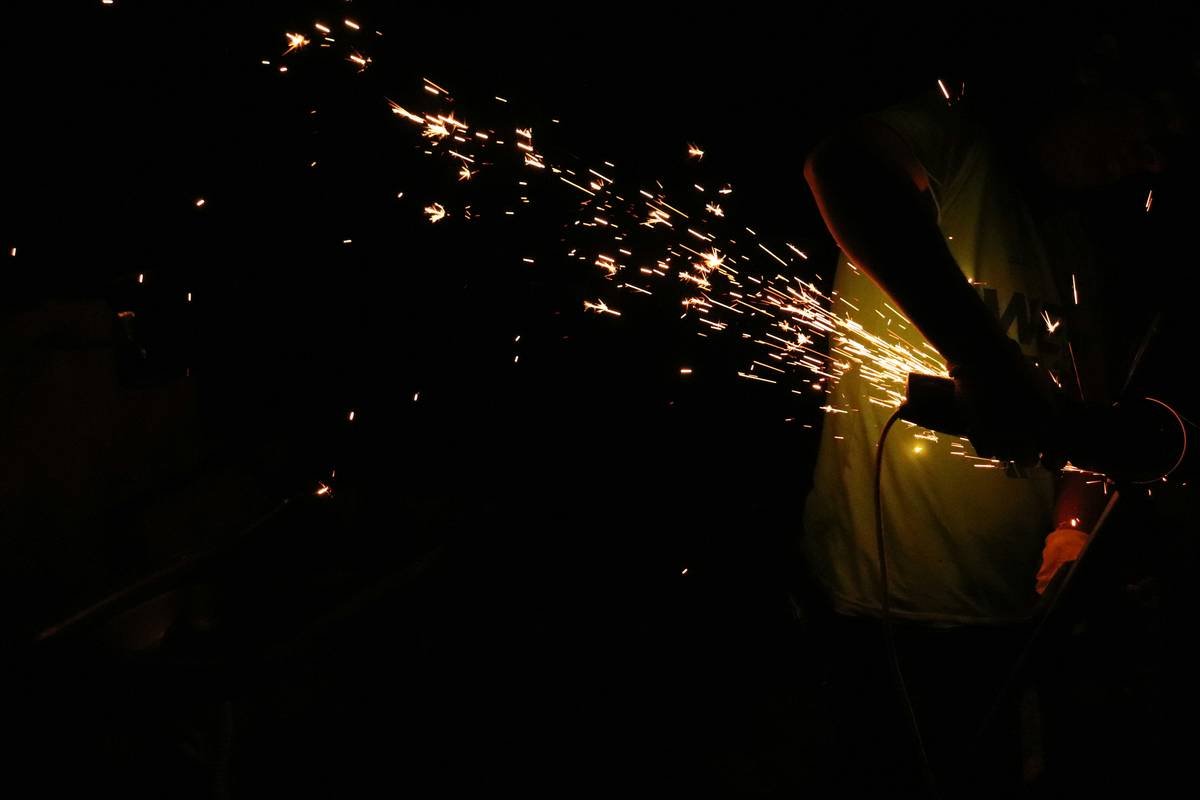
Ever slapped on an abrasive disc, fired up your angle grinder, and watched it smoke, wobble, or—worst of all—explode into shrapnel? Yeah. I’ve been there. In fact, during a rush job on a stainless steel handrail two winters ago, I used a cheap, unlabeled “high speed” disc from a discount bin. It didn’t just fail—it fragmented. Thank goodness I had my face shield on. That near-miss taught me this: not all “high speed” abrasive discs are created equal. And if you’re grinding, cutting, or shaping metal without knowing what “high speed” really means in practice, you’re playing with fire.
This post cuts through the marketing fluff to give you the practical, safety-first truth about high speed abrasive discs. You’ll learn how they actually work, why RPM ratings matter more than brand hype, how to pick the right one for your material, and—critically—how to avoid the #1 mistake that turns DIY projects into ER visits. No jargon without explanation. Just real talk from 15+ years in metal fabrication shops, home workshops, and OSHA-certified safety trainings.
Table of Contents
- Key Takeaways
- Why Do High Speed Abrasive Discs Even Exist?
- How to Choose the Right High Speed Abrasive Disc (Step-by-Step)
- Pro Tips & Best Practices Most Guides Skip
- Real-World Case: How a $7 Disc Saved a $2,000 Fabrication Job
- FAQs About High Speed Abrasive Discs
- Conclusion
Key Takeaways
- A “high speed abrasive disc” must be rated for at least 8,500 RPM—but many tools spin faster. Always match disc RPM to tool RPM.
- Material matters: Aluminum oxide for steel, zirconia alumina for heavy stock removal, ceramic grain for stainless or hard alloys.
- Thickness affects cut speed vs. finish: thin discs (1mm) cut fast but wear quickly; thicker (2–3mm) last longer and offer better control.
- Never use a disc past its expiration date (usually stamped on the hub)—resin bonds degrade over time, increasing fracture risk.
- OSHA and ANSI B7.1 standards mandate maximum operating speeds. Ignoring them voids warranties and risks injury.
Why Do High Speed Abrasive Discs Even Exist?
Before the 1950s, most grinding was done with slow-turning bench grinders or handheld wheels limited to ~3,500 RPM. Then came portable high-RPM angle grinders—and with them, the need for discs engineered to handle centrifugal forces that could literally tear standard abrasives apart mid-spin. Enter the high speed abrasive disc: built with reinforced fiberglass backing and heat-resistant resin bonds to safely operate at 8,500–12,000+ RPM.
Here’s the catch: “High speed” is a technical term—not a marketing buzzword. According to ANSI B7.1 (the U.S. safety standard for abrasive wheels), a disc labeled “high speed” must withstand a maximum operating speed of at least 8,500 revolutions per minute. But your 4.5-inch angle grinder? It likely spins at 10,000–11,000 RPM. If your disc isn’t rated for that, physics wins—and you lose.
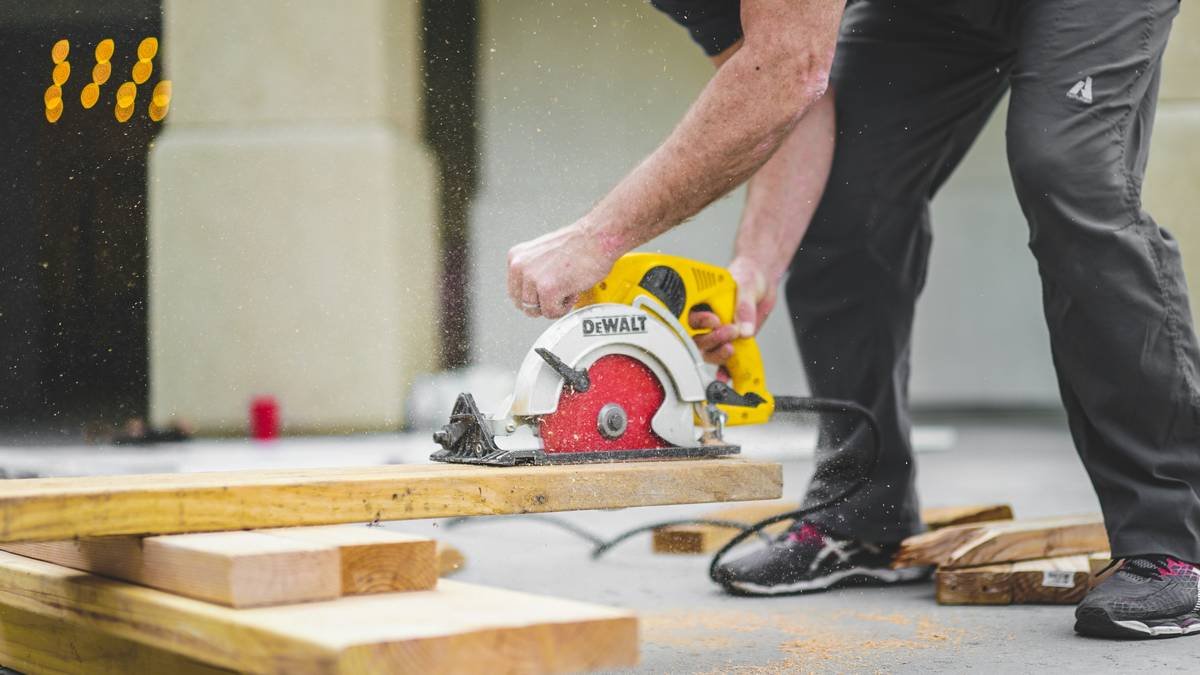
I once watched a contractor use a “multi-purpose” disc (rated for 6,600 RPM) on a 11,000 RPM grinder. The disc lasted 12 seconds before disintegrating. He walked away with lacerations—and a $5,000 OSHA fine. Don’t be that guy.
How to Choose the Right High Speed Abrasive Disc (Step-by-Step)
What material are you working on?
Optimist You: “Just grab any metal-cutting disc!”
Grumpy You: “Ugh, fine—but only if coffee’s involved… and you like replacing discs every 90 seconds.”
Truth is, abrasive grains behave differently based on hardness and heat sensitivity:
- Mild steel or iron: Aluminum oxide (brown or white). Affordable, versatile.
- Stainless steel or nickel alloys: Ceramic aluminum oxide or zirconia alumina. Resists loading and runs cooler.
- Cast iron: Silicon carbide (green). Cuts cleanly without excessive sparking.
What’s your tool’s RPM?
Flip your grinder upside down. Find the “No Load RPM” on the nameplate. Now check the disc’s hub—it’s printed there in tiny letters. If the tool’s RPM exceeds the disc’s rating, do not install it. Period. This isn’t opinion—it’s OSHA 1910.243 compliance.
Disc thickness: Speed vs. durability?
Thin (0.045” / 1.1mm) discs cut faster with less kickback—ideal for precision cutoffs. Thick (1/8” / 3.2mm) discs handle aggressive grinding and last longer but vibrate more. For general DIY, 1/16” (1.6mm) is the sweet spot.
Pro Tips & Best Practices Most Guides Skip
- Store discs flat in a dry place. Humidity warps resin bonds. I keep mine in a sealed plastic bin with silica gel packs—yes, like snack storage. Works.
- Run new discs at low speed for 30 seconds before full use. Lets you spot wobble or imbalance safely. Sounds like your laptop fan during a 4K render—whirrrr—but smoother.
- Never force the disc. Let the abrasive do the work. Pushing = heat buildup = glazing = shorter life.
- Check expiration dates. Most resin-bonded discs expire 3 years from manufacture. Find the date code stamped near the center hole.
Terrible tip disclaimer: “Just sand down the edges if it’s chipped.” NO. Structural damage = fracture risk. Toss it. Safety isn’t thrift.
Rant Section: My Niche Pet Peeve
“Universal” discs that claim to cut metal, stone, AND concrete? Chef’s kiss for drowning algorithms—and your safety. These are usually under-engineered compromises. Metal requires friable grains that self-sharpen; masonry needs harder, blockier grains. Using one disc for both guarantees poor performance and higher risk. Pick the right tool. Respect the craft.
Real-World Case: How a $7 Disc Saved a $2,000 Fabrication Job
Last spring, I was welding custom brackets for a restaurant’s outdoor canopy. One bracket needed a clean 45° bevel on 1/4” stainless steel. My usual zirconia disc was dull. The local hardware store only had generic “metal cutting” discs ($4) and a premium ceramic high speed disc ($7).
I almost grabbed the cheap one—until I remembered the stainless would load it instantly, overheating the metal and ruining the weld prep. I paid the extra $3. The ceramic disc stayed cool, left a smooth finish, and finished the bevel in 45 seconds. Total saved time: 12 minutes vs. swapping, cleaning, and re-grinding with the cheap disc. Plus, the client approved the welds on first pass. That $7 disc protected a $2,000 contract. Math checks out.
FAQs About High Speed Abrasive Discs
Can I use a high speed abrasive disc on a bench grinder?
Only if the bench grinder’s RPM matches or is lower than the disc’s max rating. Most bench grinders run at 3,450 RPM—well below high speed thresholds—so a dedicated bench wheel is safer and more cost-effective.
What does “Type 27” or “Type 1” mean?
Type 1 = flat disc for cutoffs. Type 27 = depressed center for grinding (fits guard clearance). Always match disc type to your grinder’s guard design.
Are diamond abrasive discs “high speed”?
Not typically. Diamond discs are for tile, concrete, or carbide—running at much lower RPMs (3,000–5,000). Never substitute them for metalwork.
How often should I replace my disc?
At first sign of warping, cracks, or reduced cutting efficiency—even if it looks intact. When in doubt, throw it out.
Conclusion
A high speed abrasive disc isn’t just another consumable—it’s a precision safety component. Choosing the right one means understanding your material, matching RPMs, and respecting expiration dates. The upfront $2–$8 investment prevents wasted time, ruined projects, and worst-case scenarios. Whether you’re a weekend warrior or a pro fabricator, treat your abrasives like the engineered tools they are—not disposable afterthoughts.
Now go grind something awesome. Safely.
Like a Tamagotchi, your angle grinder needs daily care—and fresh, rated discs.
Steel sings,
disc spins true—
no smoke today.